
LLC Tax Documents Find the page that sets the tax
The page that chooses the tax sits on top of the packet, the month has to be closed, payday is set up with a provider you run, and the return follows, with Steven Palmieri as Tax CFO and the Entrepreneur's CFO.
Show the top pageWhich page is on top
Name the sheet that is physically on top of your packet right now.
You will be talking to the Steven Palmieri practice.
The Tax CFO way
An accountant can close a year from the sheet that happens to sit on top. A Tax CFO lifts the page that decides the year first, and payday, a buried election, and a quiet bank follow that page.
That reading happens while the month is still open, so the return follows the sheet that actually counts.
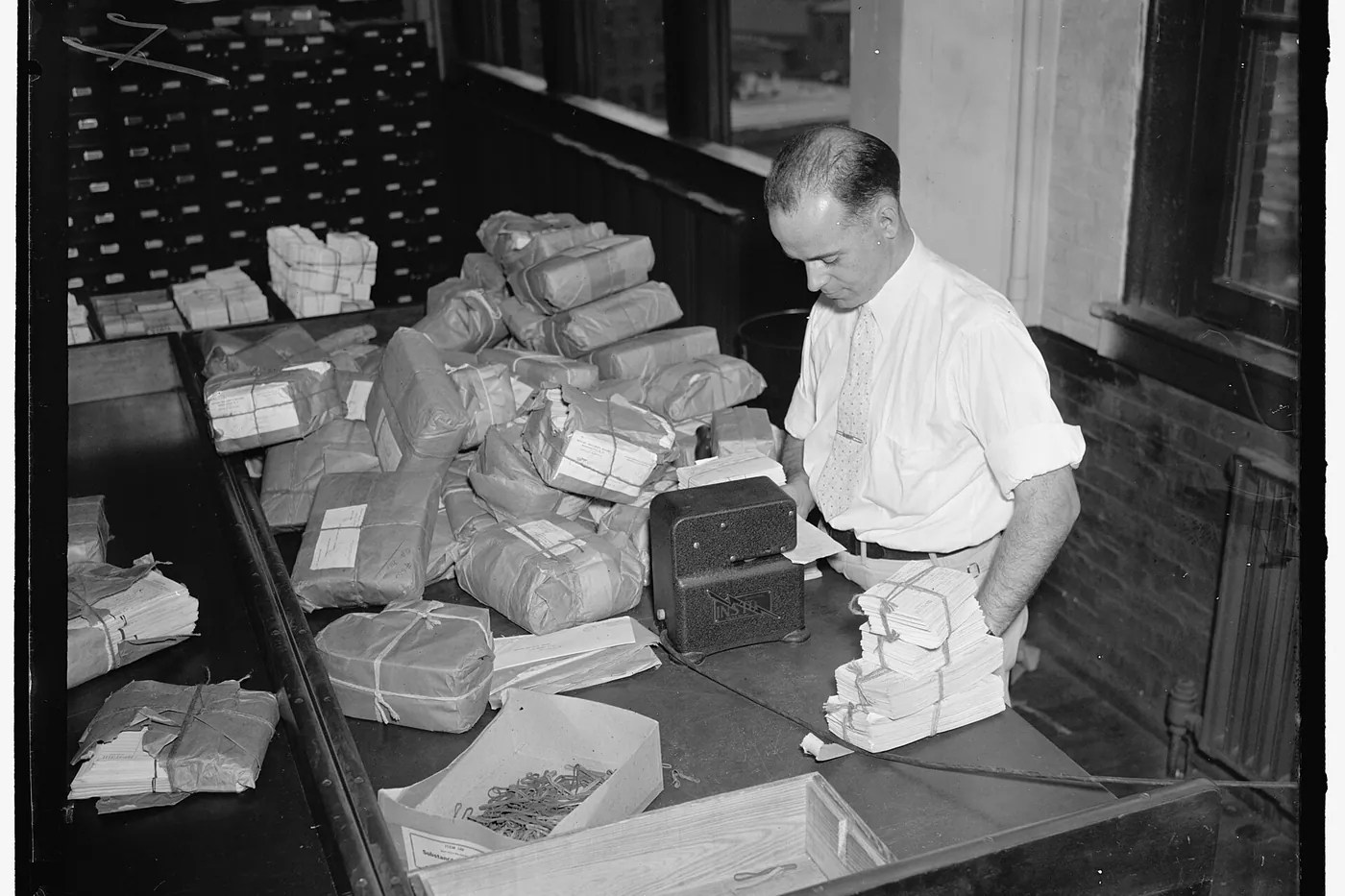
Under the pile
An accepted election is a letter, and it is often the sheet nobody clipped to the front.
Click to read about the buried letter ›Tap to read about the buried letter ›
A K-1 comes out last
The K-1 is printed from the entity return. Finding it does not tell you the election was filed.
Click to see why the K-1 waits ›Tap to see why the K-1 waits ›Certificate or election
The certificate says the company exists. The tax choice is a later filing with its own date.
Click to separate the certificate ›Tap to separate the certificate ›What a bank form proves
A signature card and a W-9 box tell the bank who may sign. They leave the election untouched.
Click to read the bank form limits ›Tap to read the bank form limits ›A year with no motion
A still bank account does not say whether a return is due. The classification still has to be read.
Click to read a quiet year ›Tap to read a quiet year ›Hand the stack over
The useful order is the choosing page, the acceptance, the entity return, then the owner pages.
Click to see the handoff order ›Tap to see the handoff order ›Six pages that get misread
Open a card. Each one names a sheet people treat as the choice, and the sheet that actually settles it.
1Certificate sitting on top
The person who formed the company
A certificate records that the company exists with the state. The tax choice is a later filing, and the IRS has to accept it before the rest of the packet can follow it.
2Someone said S corporation
The person preparing the return
Ask for the accepted election and for the entity return. A K-1 is printed from that return, so a missing K-1 sends the search backward to those two sheets.
3A checked box on the bank form
The person who opened the account
A signature card and a W-9 box tell the bank how to title the account. The election is filed with the IRS, and the bank never receives that job.
4Only the number letter is in the file
The person who applied for the number
That letter assigns a number so the company can be identified. The classification still follows the default unless a later form was accepted.
5The bank barely moved all year
The person closing the year
A still account leaves two questions open. Which return the classification calls for, and whether the year has activity worth reporting.
6Payday was started in an app
The owner who runs the provider
The owner lines up a provider and keeps control of it. That setup does not choose how the company is taxed, and a pay report is a different sheet from the election.
Who holds the reading.
The practice reads packets in return order. Steven Palmieri holds the Tax CFO role on that reading, and the page that has to sit on top is named before a month can close.
Click to meet who reads with you ›Tap to meet who reads with you ›Send that top page
Send the name of that top sheet and we will tell you what it can prove.You will be talking to the Steven Palmieri practice.
The order inside the packet
The page that chooses
A company does not pick a federal tax life by existing. With one owner, and with no election the IRS has accepted, the default is disregarded, so the activity lands on that owner's own return. With two or more owners, and with no accepted election, the default is a partnership, so the file needs Form 1065 and a K-1 for each owner printed from that return.
A different answer is a form. The sheet numbered 2553 is how an eligible company asks to be taxed as an S corporation. The sheet numbered 8832 is how a company asks for a classification that is not the default. If that choice is meant for the year already underway, the instructions for the form generally want it filed on or before day fifteen of month three. A filing after that date is a different letter. It asks about a year that has already started, and it should stay clipped behind the timely rule rather than on top of the certificate.
Some states want a page of their own after the federal election is accepted. That state page is not the federal choosing page. Read it, keep it, and do not let it shove the acceptance out of the front of the stack.
Sheets people put on top by mistake
The certificate of formation is the page that creates the company with the state. The certificate carries the company name and the day the state accepted it. It does not tell the IRS to treat the company as a corporation. A bank signature card tells the bank who may sign. A W-9 box tells a payer which name and number to put on an information return. An employer identification letter assigns a number. Each of those pages is useful. None of them is the election.
When the only rental activity sits inside the company, that activity is reported with the rentals. The choosing page still says whether the reporting belongs on the owner's return or on an entity return. A trade schedule is the wrong drawer for a holding that only collects rent, and the classification has to be known before that drawer is chosen.
A K-1 is an output
A Schedule K-1 is printed because Form 1065 or Form 1120-S was prepared. If someone says the company is an S corporation and the K-1 is missing, the useful search is for the entity return and for the acceptance of Form 2553. The K-1 cannot be drafted honestly until that return exists. Owner draws, money the owner put in, and the capital rollforward belong on the books that feed the return. They are assembled after the classification is known.
Read why a K-1 comes out last and what to do when the acceptance is buried. The handoff order is the same stack, sorted so the first page is the one a return can follow.
A quiet year, and payday
A year when the bank barely moved still needs a reading. The classification says which return, if any, the quiet year belongs on. Activity says whether there is something to report. Those are separate questions, and a still account answers neither by itself. A zero-looking statement from the bank is a fact about cash. It is not a classification.
When the accepted page calls for wages, the owner lines up a provider and keeps control of that provider. Running a pay cycle is not something this packet reading takes on. The wage has to be thought through and written down before it is real, and the provider has to be ready. Lining up that provider does not choose the tax classification, and a pay report is not the election. The questions owners actually ask are gathered on one page, and a labelled illustration with no client and no dollars is on the made-up shop.
What we take on once the page is known
We close the month, reconcile the accounts, and put financial statements in an order a return can use. The return comes after that close. The packet is read with you by the practice, and Steven Palmieri holds the Tax CFO role on that reading. If the choosing page is missing we say so before anyone calls the year finished.
Bring the top sheet to a call, or say you cannot find it. Who reads with you is the practice, not a software tray. Reserve a slot only to talk about the sheet on top. Nothing is an engagement until a signed note names the packet work and the price.